Automotive Power
Unlike a desktop computer, the system has to operate from an old vehicle electrical system with voltage fluctuations, electrical noise, and large transient loads.
Project / Embedded Systems
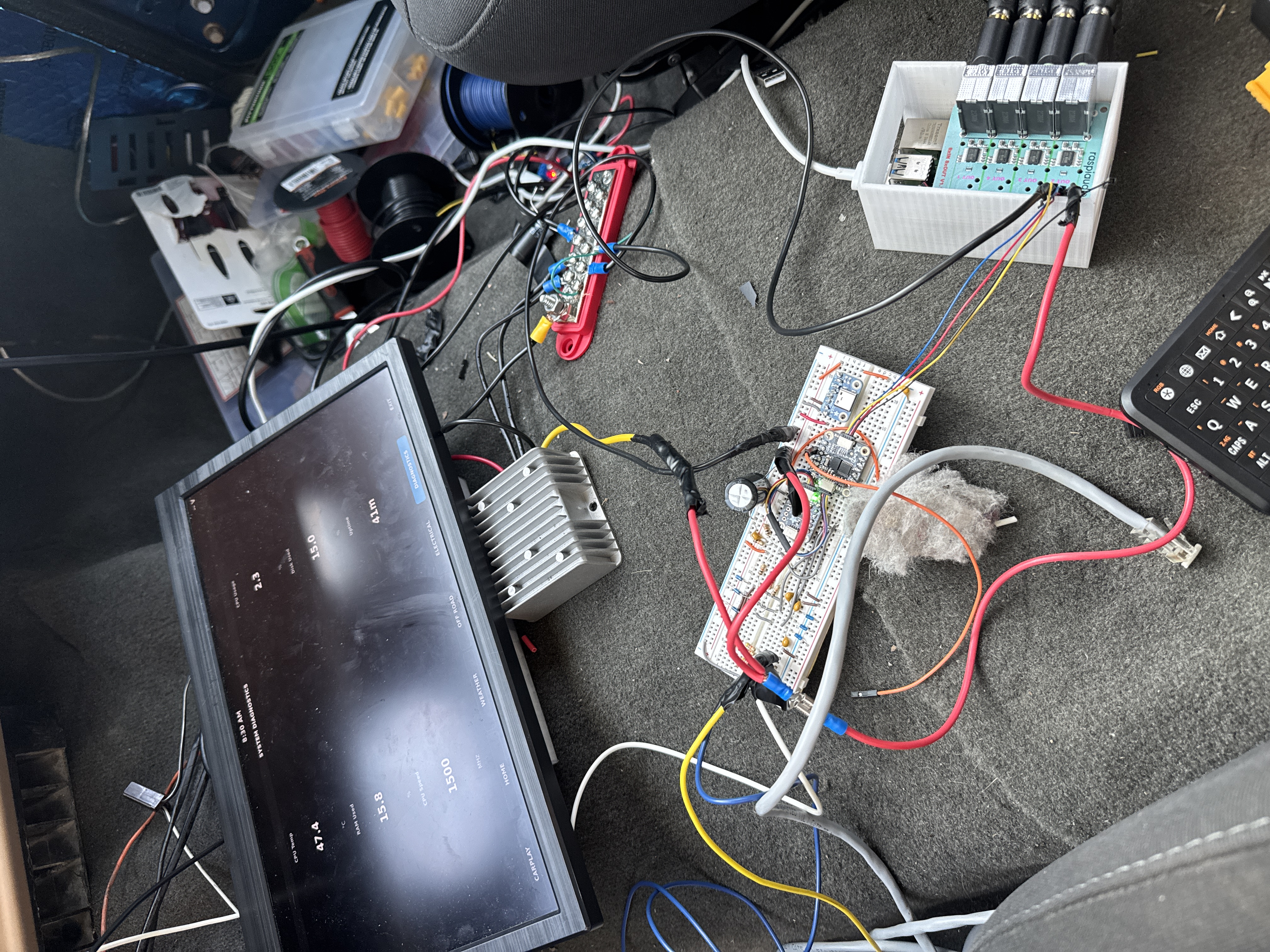
A custom Raspberry Pi-based onboard computer designed to integrate vehicle monitoring, sensors, audio processing, CarPlay, and a touchscreen interface into my 1975 Jeep Cherokee.
01 / Overview
The Jeep Computer is an extension of the electrical and mechanical work already performed on the Cherokee. Instead of adding isolated aftermarket gauges and controls, the goal is to create one central system capable of collecting information from the vehicle and presenting it through a modern interface.
The project combines embedded Linux, Python, electronics, automotive electrical engineering, networking, audio DSP, and custom mechanical installation.
02 / System Architecture
Analog senders, I²C sensors, ignition state, and electrical measurements.
Python services collect, process, and interpret incoming vehicle data.
A PySide6 dashboard presents vehicle information through the touchscreen.
GPIO controls, audio processing, CarPlay, and other vehicle systems respond to the computer.
03 / Hardware
The central computing platform running the dashboard, sensor software, web interface, and audio-processing control system.
A dedicated in-vehicle touchscreen provides the primary interface for vehicle information, diagnostics, navigation, and system controls.
The system is designed around multiple I²C sensors and analog inputs for monitoring cabin and outside temperature, pressure, light, orientation, electrical conditions, and factory vehicle gauges.
A dedicated regulated power system supplies the computer and peripherals from the Jeep's electrical system while allowing the vehicle's electrical conditions to be monitored.
04 / Software
The software is being developed as separate components so the dashboard can remain responsive while sensor collection, audio processing, networking, and vehicle control operate in the background.
05 / Engineering Challenges
Unlike a desktop computer, the system has to operate from an old vehicle electrical system with voltage fluctuations, electrical noise, and large transient loads.
The computer combines vehicle instrumentation, sensors, audio processing, networking, CarPlay, and a touchscreen into one system without allowing one subsystem to interfere with another.
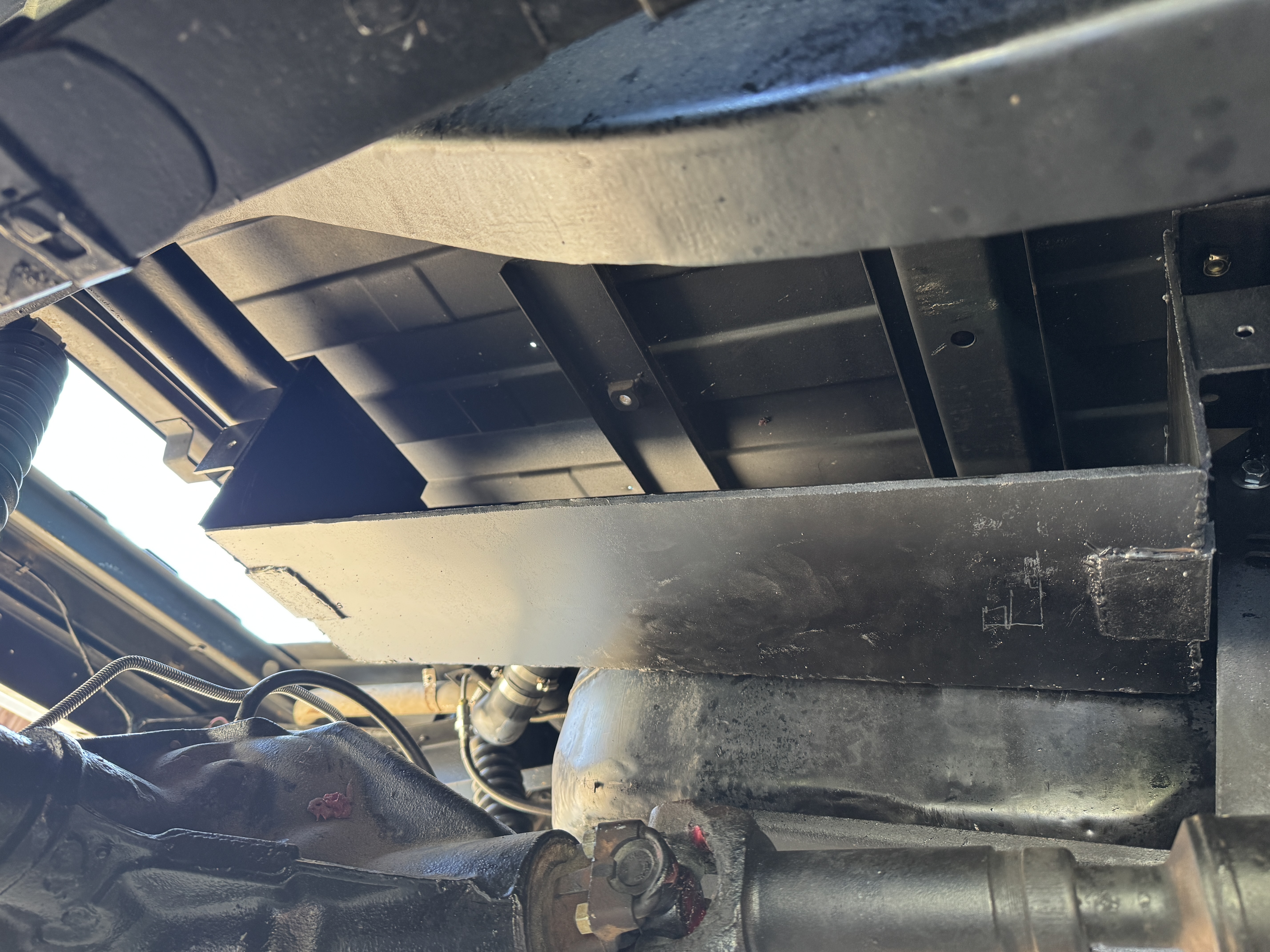
The electronics have to fit inside a vehicle that was never designed to contain a modern computer, touchscreen, networking equipment, and custom audio electronics.
The system is designed around vehicle ignition state rather than a conventional computer power button, requiring controlled startup behavior and protection against improper shutdowns.
06 / Development
The Jeep Computer is an ongoing project rather than a fixed product. The hardware and software architecture are being developed together as new capabilities are added to the Jeep.
More sensors and digital versions of the original vehicle gauges.
Deeper integration with the Jeep's custom multi-channel DSP system.
A more complete touchscreen interface for vehicle status and control.
Related Project